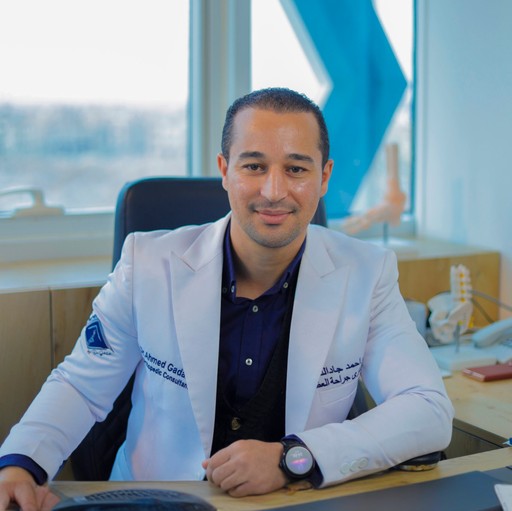
Dr. Ahmed Gadallah Orthopedic Surgeon

Deformity Correction · Limb Reconstruction

Correcting alignment. Rebuilding function.

Deformity correction is individualized to the anatomy, cause of the deformity, age, remaining growth, function and goals of each patient. Treatment may involve guided growth, acute correction or gradual reconstruction depending on the underlying problem.

Angular Deformity Rotational Deformity Post-Traumatic Guided Growth Gradual Correction
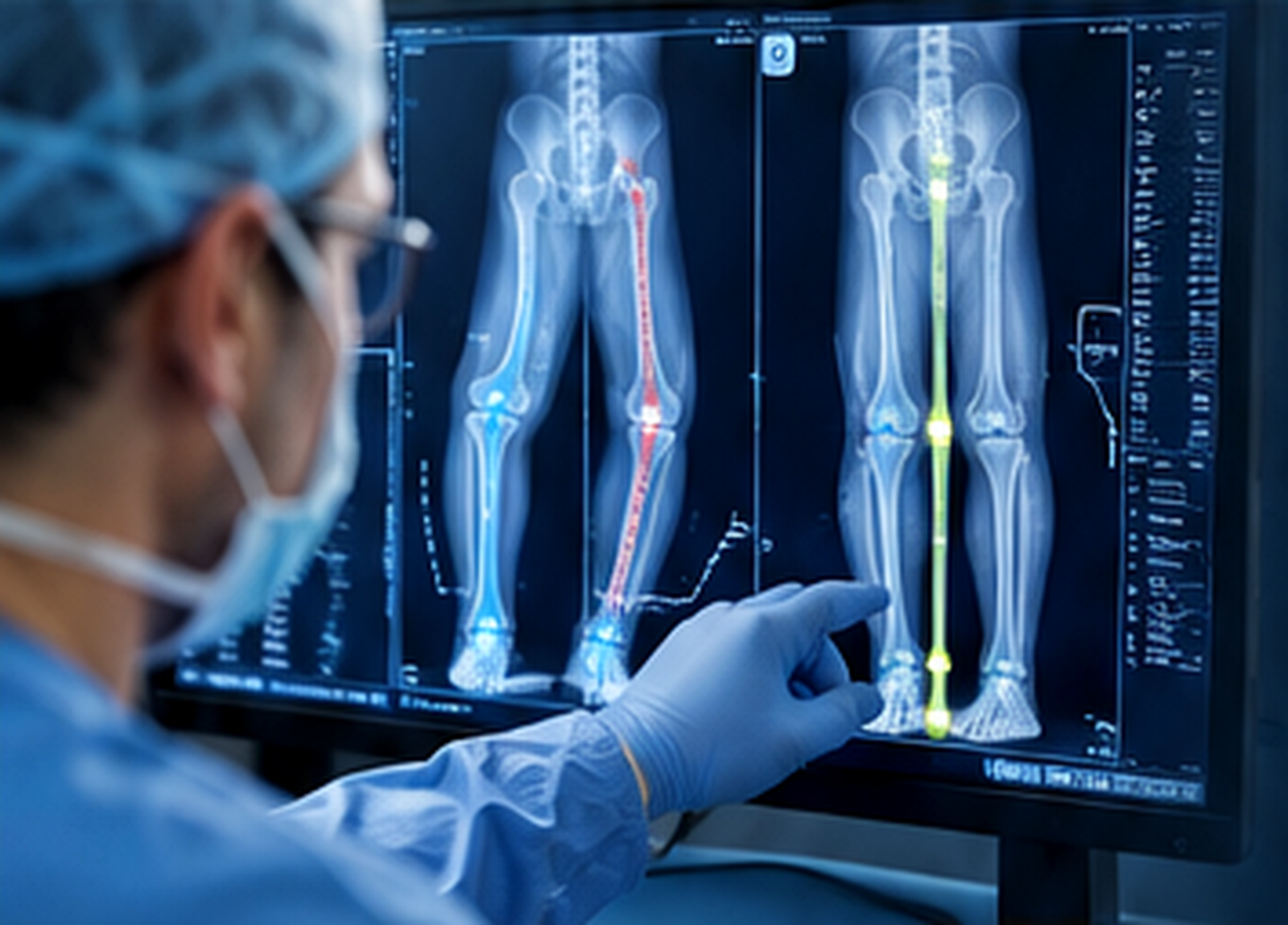
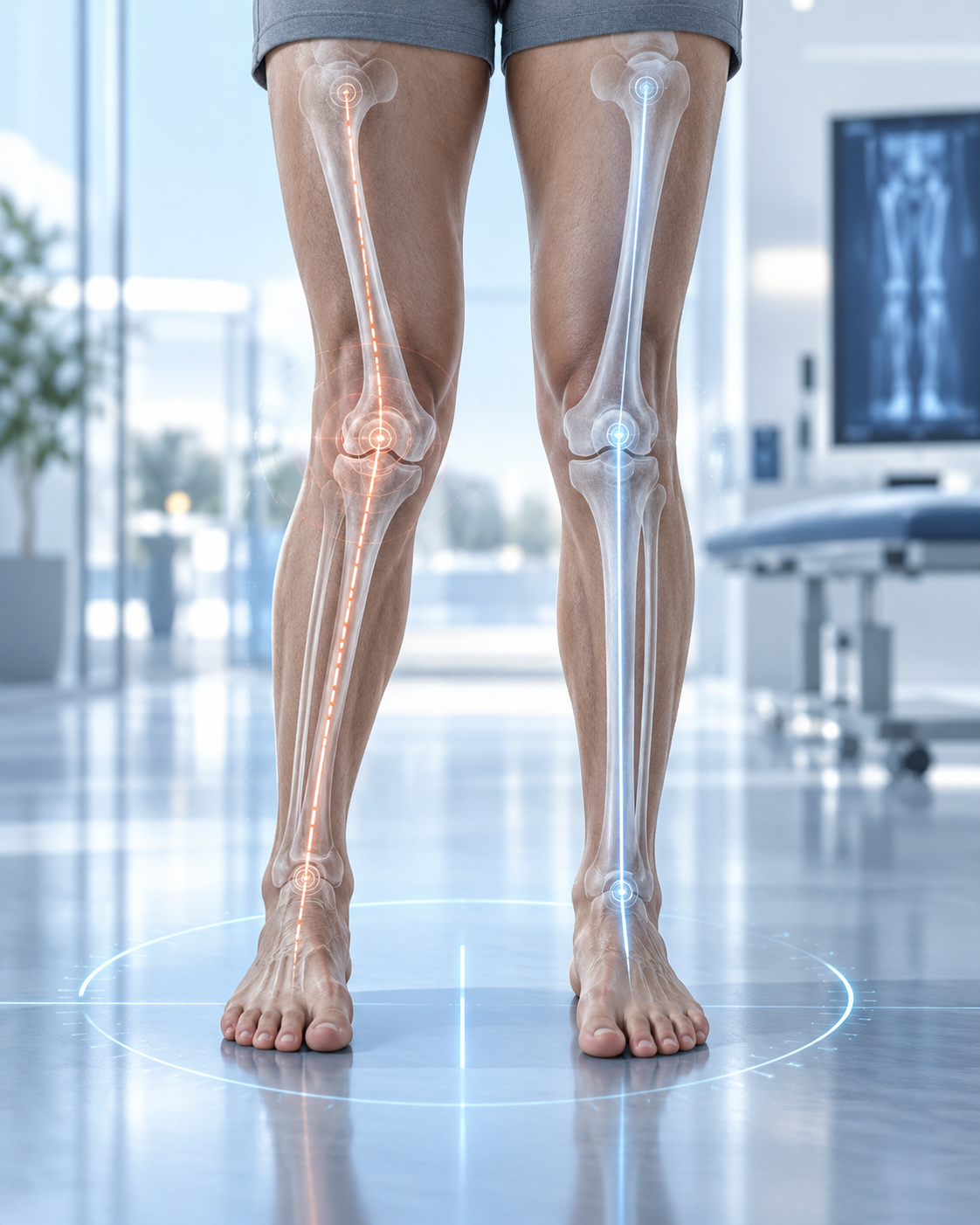
Lower limb deformity alignment analysis
Understanding Deformity

A deformity is more than a bone that looks different.

Limb deformity can involve one or several components. Understanding exactly what is abnormal is essential before deciding how correction should be performed.

01 Alignment The limb may deviate from its intended mechanical axis.
02 Rotation A bone segment may be internally or externally rotated.
03 Length Some cases also involve limb-length discrepancy.
04 Function Alignment can influence gait, movement and joint loading.
Reconstruction in Practice

Real cases. Different problems. Different solutions.

Real patient examples help illustrate how reconstructive treatment can differ according to age, diagnosis, anatomy and functional requirements.

Featured Case · Pediatric Alignment

Guided growth in a 10-year-old child.

A 10-year-old girl presented with inward knee angulation affecting movement and confidence. Because significant growth remained, Dr. Ahmed Gadallah used a guided-growth strategy to progressively influence alignment as she continued to grow.

Age 10 years
Condition Pediatric angular knee deformity
Treatment Guided growth / growth modulation
Goal Progressive improvement in alignment during growth
Complex Upper-Limb Reconstruction

Functional reconstruction after Erb’s palsy.

An 8-year-old girl born with Erb’s palsy had restricted shoulder and arm movement following brachial plexus injury. Dr. Ahmed Gadallah performed reconstructive orthopedic correction surgery to improve the position and functional movement of the affected upper limb. The before-and-after result shows significant improvement in functional arm mobility.

Age 8 years
Condition Erb’s palsy · Brachial plexus birth injury
Treatment Internal reconstructive correction surgery
Goal Improve shoulder and arm position & functional movement
Individual treatment and outcomes vary. These cases illustrate different reconstructive strategies selected according to the underlying diagnosis, age, anatomy and functional requirements.
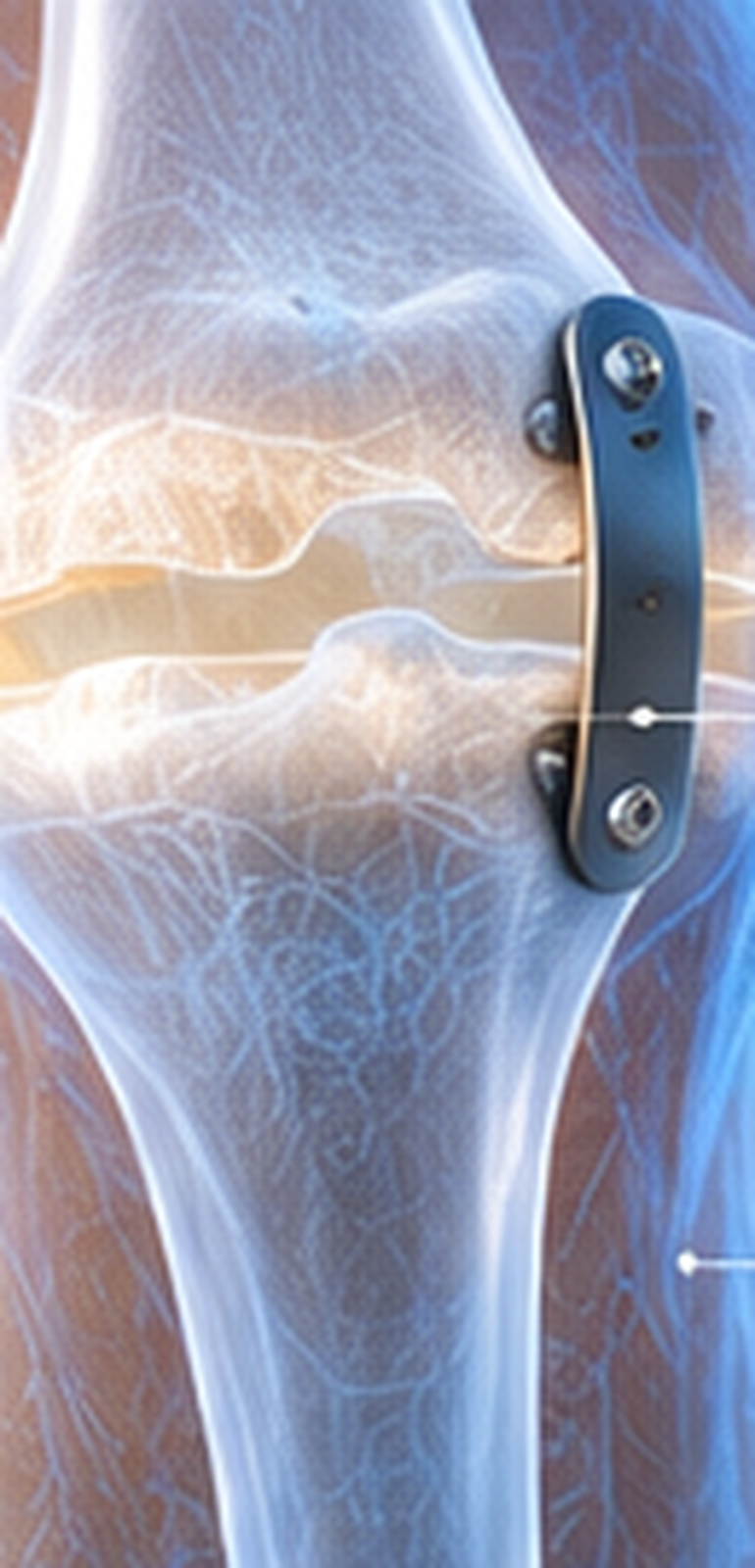
Guided growth treatment detail for pediatric deformity
Pediatric Deformity

Using growth as part of the correction.

In selected growing children, guided growth can be used to influence alignment progressively as the child continues to grow. Timing matters because correction depends on remaining growth potential.

Remaining Growth Growth potential forms part of treatment planning.
Growth Modulation Growth is temporarily influenced to guide progressive alignment.
Follow-Up Alignment is monitored while correction develops.
Timing Treatment timing is individualized according to remaining growth.
Guided growth is a minimally invasive surgical strategy and is not appropriate for every pediatric deformity.
Mechanical axis planning for limb deformity correction
Deformity Analysis

Before a bone is corrected, the deformity has to be understood.

Planning evaluates where the deformity is located, how large it is and whether rotational or length components are also present. This analysis helps define the appropriate reconstructive strategy.

Mechanical Axis Assessment of overall limb alignment and load transmission.
Apex of Deformity Identifying where the angular problem is centered.
Magnitude Measuring how much correction may be required.
Rotation & Length Identifying additional components beyond angular malalignment.
Measure Plan Correct
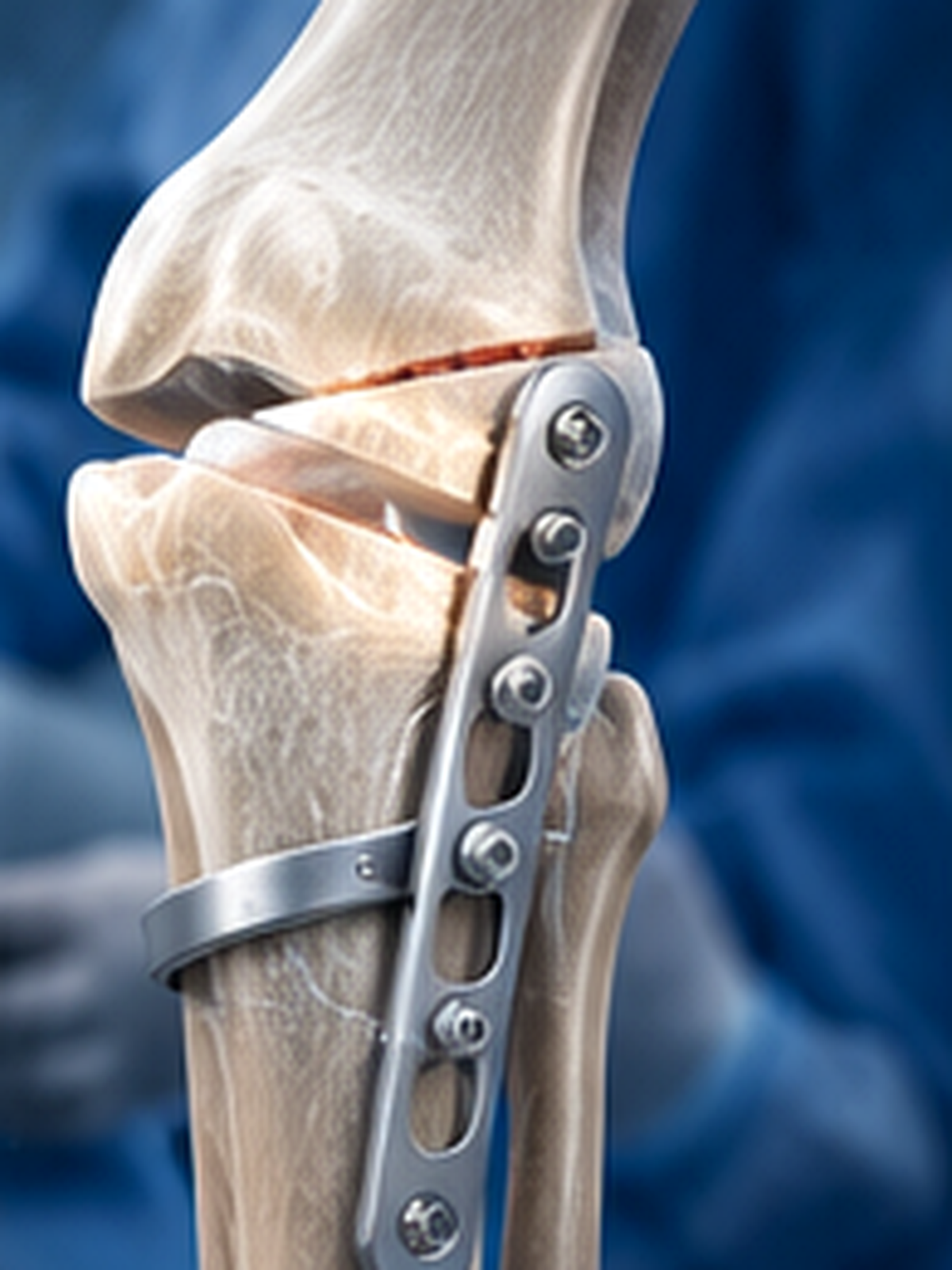
Acute deformity correction with osteotomy and internal fixation
Acute Correction

Correction during one operation.

In selected deformities, an osteotomy can be used to reposition the bone according to the planned correction. The corrected position is then stabilized with appropriate fixation.

Osteotomy Alignment Internal Fixation Bone Healing
Gradual Correction

Complex correction can progress over time.

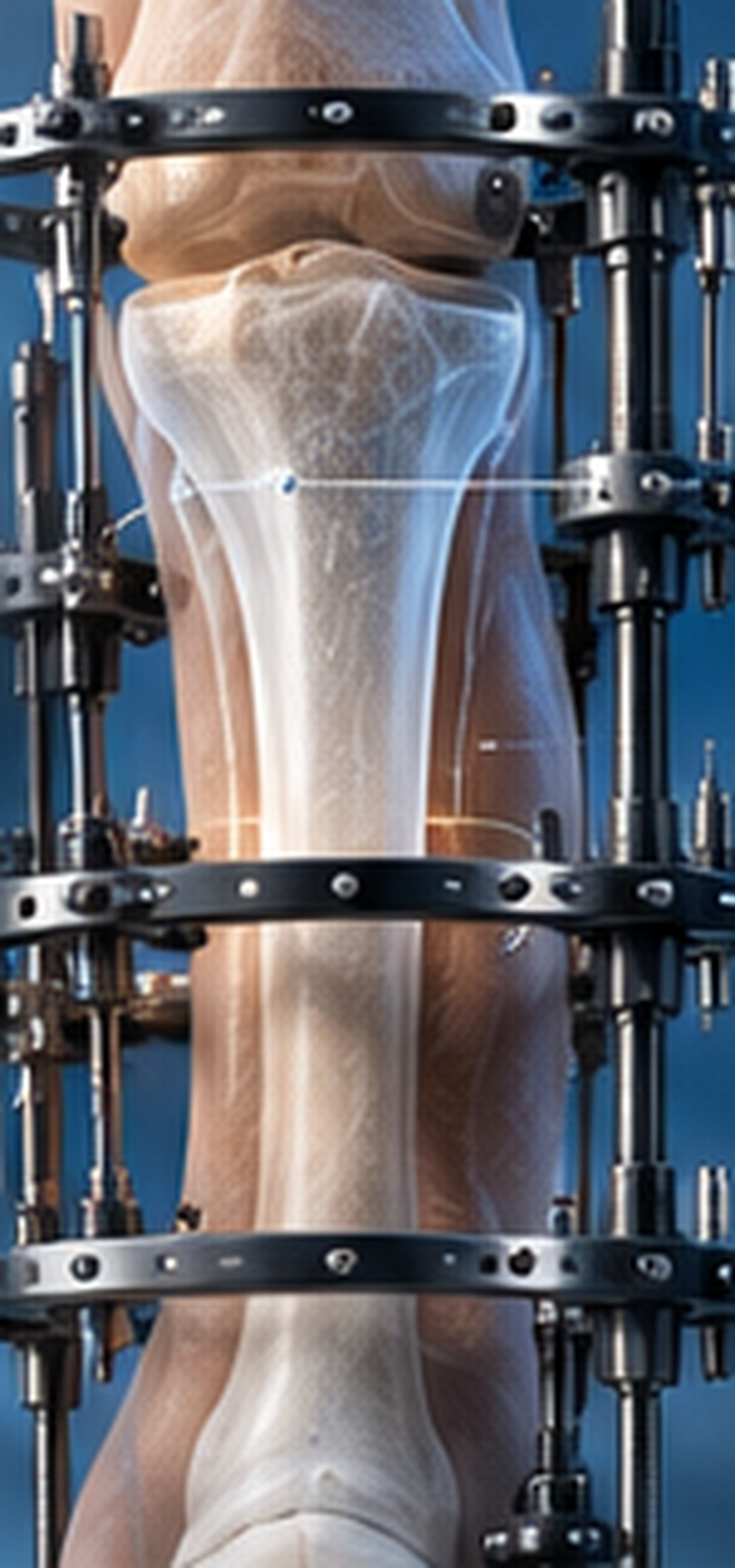
In selected complex deformities, correction may be performed progressively using an external fixation system. Adjustments are made according to a planned correction schedule, while bone formation and healing are monitored.

Osteotomy Progressive Adjustment Alignment Correction Consolidation
The exact correction schedule, weight-bearing instructions and treatment duration vary according to the deformity and individual reconstruction.
Gradual limb deformity correction using external fixation
Deformity Patterns

Different deformities require different solutions.

The visible angle is only one component. Deformity analysis considers the cause, location, direction and functional effect before a treatment strategy is selected.

01
Angular Deformity Varus, valgus or other abnormal angulation affecting limb alignment.
02
Rotational Deformity Abnormal twisting of a bone or limb segment.
03
Post-Traumatic Deformity Malalignment following fracture healing, injury or previous treatment.
04
Limb-Length Discrepancy Selected cases in which shortening and deformity coexist.
05
Developmental / Congenital Deformities present from birth or developing during growth.
06
Complex Reconstruction Combined problems involving bone, alignment, joints and soft-tissue function.
Gradual Correction Journey

Correction develops one stage at a time.

When gradual correction is selected, reconstruction continues after surgery through a planned sequence of adjustment, correction and consolidation.

01
Surgery Osteotomy and fixation according to the treatment plan.
02
Adjustment Planned progressive correction.
03
Correction Alignment progresses toward the intended position.
04
Consolidation Newly formed bone progressively matures.
05
Follow-Up Imaging and rehabilitation guide progression.
Recovery & Rehabilitation

Correction continues after the operation.

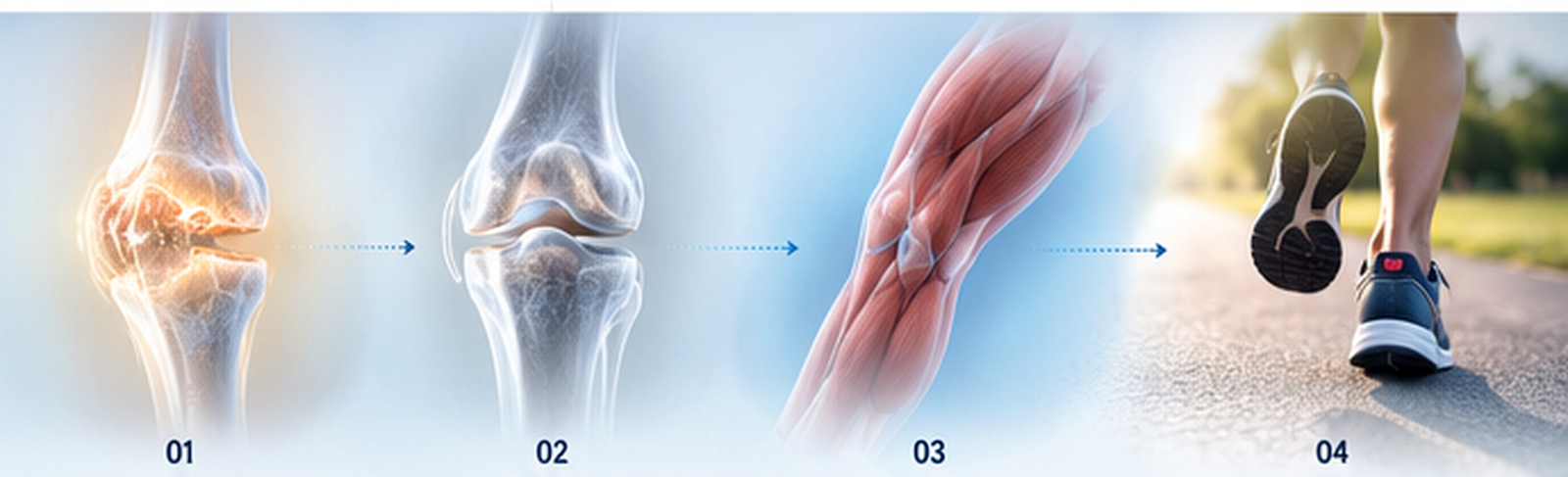
Recovery involves more than bone healing. Joint motion, muscle strength, gait and functional movement all form part of the rehabilitation process.

Recovery progression after limb deformity correction
Rehabilitation, weight-bearing instructions and activity progression are individualized according to the reconstruction performed, bone healing and the patient's clinical progress.
Dr Ahmed Gadallah orthopedic surgeon
Your Surgeon

Reconstruction guided by anatomy, planning & surgical experience.

Dr. Ahmed Gadallah's orthopedic practice includes trauma, deformity correction, joint reconstruction and complex limb reconstruction. He holds an MSc in Orthopedic Surgery from Cairo University and is currently undertaking ongoing PhD studies at Cairo University, alongside continued clinical practice and orthopedic research.

Postgraduate Degree MSc Orthopedic Surgery · Cairo University
Current Studies Ongoing PhD Studies · Cairo University
Advanced Training AO Trauma & Reconstruction Training
Clinical Focus Deformity · Trauma · Limb Reconstruction
Related Reconstruction

When deformity and limb length are connected.

Some reconstructive cases involve both alignment and limb-length discrepancy. These may require a broader limb-reconstruction strategy combining correction with length restoration.

Explore Limb Lengthening →
International orthopedic patients in Cairo
REMOTE REVIEW Initial Review
CAIRO Assessment
SURGERY Reconstruction
RECOVERY Rehabilitation
FOLLOW-UP Ongoing Care
International Patients · Reconstruction in Cairo

Travelling to Egypt for complex reconstruction?

International patients can arrange assessment, treatment planning and reconstructive orthopedic care with Dr. Gadallah. Practical support around the medical pathway can also be coordinated according to the individual treatment plan.

Remote Case Review
Treatment Planning
Hospital Coordination
Accommodation Options
Physiotherapy Coordination
Post-Operative Support
Common Questions

Understanding deformity correction.

What is a limb deformity? +
A limb deformity may involve abnormal angulation, rotation, length or a combination of these components. Its clinical significance depends on the underlying cause, severity, symptoms and effect on function.
When does a deformity require treatment? +
Treatment depends on the diagnosis, age, remaining growth, deformity progression, symptoms and effect on movement or joint loading. Not every deformity requires surgery.
What is guided growth? +
Guided growth is a minimally invasive surgical strategy used in selected growing children. Growth is temporarily influenced on one side of a growth plate so that alignment can improve progressively as the child continues to grow.
What is an osteotomy? +
An osteotomy is a controlled surgical cut in bone that allows a bone segment to be repositioned according to a planned correction. Stabilization may then be provided with internal or external fixation.
What is the difference between acute and gradual correction? +
Acute correction changes alignment during the operation itself. Gradual correction progresses incrementally after surgery over a planned period. The appropriate strategy depends on the deformity and clinical situation.
Will I need an external fixator? +
Not every deformity requires external fixation. Some cases can be treated with internal fixation, while selected complex deformities may benefit from gradual correction using an external fixation system.
How long does deformity correction take? +
Treatment duration varies substantially according to the deformity, correction method, bone healing and individual patient factors. A specific timeline is discussed after assessment and treatment planning.
Can deformity correction also address limb-length discrepancy? +
In selected cases, deformity and limb-length discrepancy occur together and may be addressed within a broader limb-reconstruction strategy. The approach depends on the anatomy and treatment objectives.
Deformity Correction

Every deformity is different. The correction plan should be too.

Arrange an orthopedic assessment with Dr. Ahmed Gadallah to evaluate alignment, function and the reconstructive options appropriate to the individual case.