

PRP Therapy
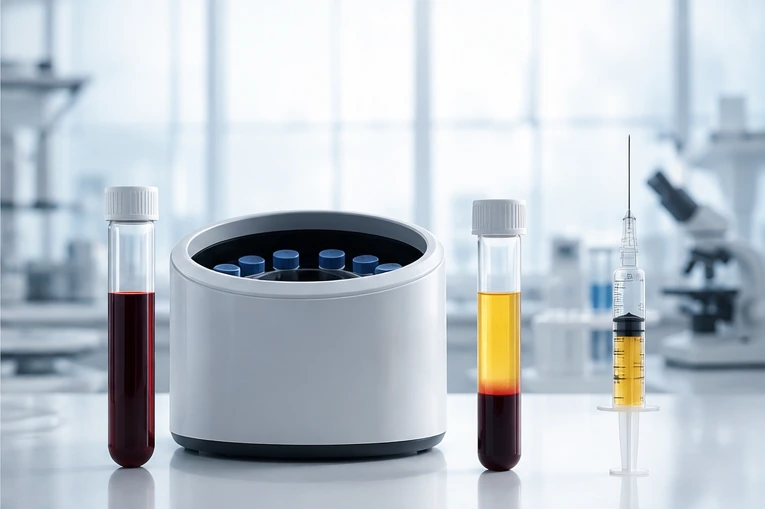
Platelet-rich plasma is prepared from a sample of the patient's own blood. The blood is processed to obtain platelet-containing plasma, which is then used as a targeted injection for selected joint, tendon and musculoskeletal conditions.

Injection therapy is not one treatment. Depending on the diagnosis, joint, degree of inflammation and individual goals, options may include PRP, hyaluronic acid, corticosteroid injections or selected regenerative approaches.

The same symptom may have several different causes. The goal is to understand the problem first, then decide whether an injection is appropriate and which option best fits the condition.
Understand the symptoms, clinical findings and imaging when required.
Determine whether an injection is indicated and which treatment best matches the diagnosis.
Deliver treatment accurately, with ultrasound guidance when clinically appropriate.
PRP, hyaluronic acid and corticosteroid injections are not interchangeable treatments. Each works differently and may be considered for different clinical situations.

Platelet-rich plasma is prepared from a sample of the patient's own blood. The blood is processed to obtain platelet-containing plasma, which is then used as a targeted injection for selected joint, tendon and musculoskeletal conditions.

Hyaluronic acid injections are used in selected patients with osteoarthritis to supplement joint lubrication and may help improve symptoms and movement.
Corticosteroid injections can be considered when inflammation is an important component of a joint or soft-tissue condition. They are used selectively according to the diagnosis, treatment area and individual clinical situation.

An advanced regenerative treatment pathway offered for carefully selected patients following specialist assessment. Suitability, preparation method and expected benefit vary according to the condition and individual case.
Treatment selection depends on the diagnosis rather than choosing an injection by name. These options have different clinical roles.

PRP preparation begins with a blood sample. The sample is processed to separate the platelet-containing plasma before the prepared PRP is used for treatment.
Suitability depends on the exact diagnosis, severity of symptoms, examination findings, imaging and previous treatment.
PRP, hyaluronic acid or other treatment options may be considered in selected patients.
Injection treatment may form part of a broader management plan in selected shoulder conditions.
Selected chronic tendinopathies may be assessed for targeted injection treatment.
Injection therapy can sometimes form part of an individualized sports injury rehabilitation plan.
Treatment depends on identifying the underlying cause rather than treating pain alone.
Persistent symptoms may require combined treatment rather than injection therapy alone.
Dr. Ahmed Gadallah's postgraduate orthopedic research included a comparative study between subacromial platelet-rich plasma and corticosteroid injection in patients with rotator cuff tendinopathy. This academic background supports an approach focused on selecting treatment according to diagnosis rather than presenting one injection as appropriate for every patient.
Ultrasound guidance may be used when clinically appropriate to visualize relevant anatomy and assist accurate needle placement. The decision to use image guidance depends on the treatment area, diagnosis and individual procedure.

Some patients specifically seek regenerative treatment options for chronic or complex musculoskeletal problems. PRP combined with stem-cell-based approaches may be discussed for carefully selected cases after orthopedic assessment.
Suitability depends on the diagnosis, tissue involved, previous treatment, overall health and the exact regenerative preparation being considered.
The exact process varies according to the injection being performed, but treatment generally follows a structured clinical pathway.
Understand how injection treatment fits into orthopedic care and why the correct diagnosis remains the starting point when selecting treatment.
No injection treatment is appropriate for every patient. Expected benefit varies according to the diagnosis, stage of disease, treatment selected, preparation technique and individual response. Injection therapy may also form only one part of a broader treatment plan that includes rehabilitation, activity modification or surgery when indicated.
The most appropriate injection depends on the diagnosis rather than simply choosing between PRP, hyaluronic acid or cortisone.
Arrange an orthopedic assessment with Dr. Ahmed Gadallah to discuss whether injection treatment is appropriate and which option best fits your condition.