Dr. Ahmed Gadallah

Book on WhatsApp Book

S·07Sports medicine

Sports injuries

From ligament and meniscus injuries to cartilage, tendon and muscle problems, treatment focuses on restoring safe movement and helping patients return confidently to activity.

Fig. — Sports injuriesS·07
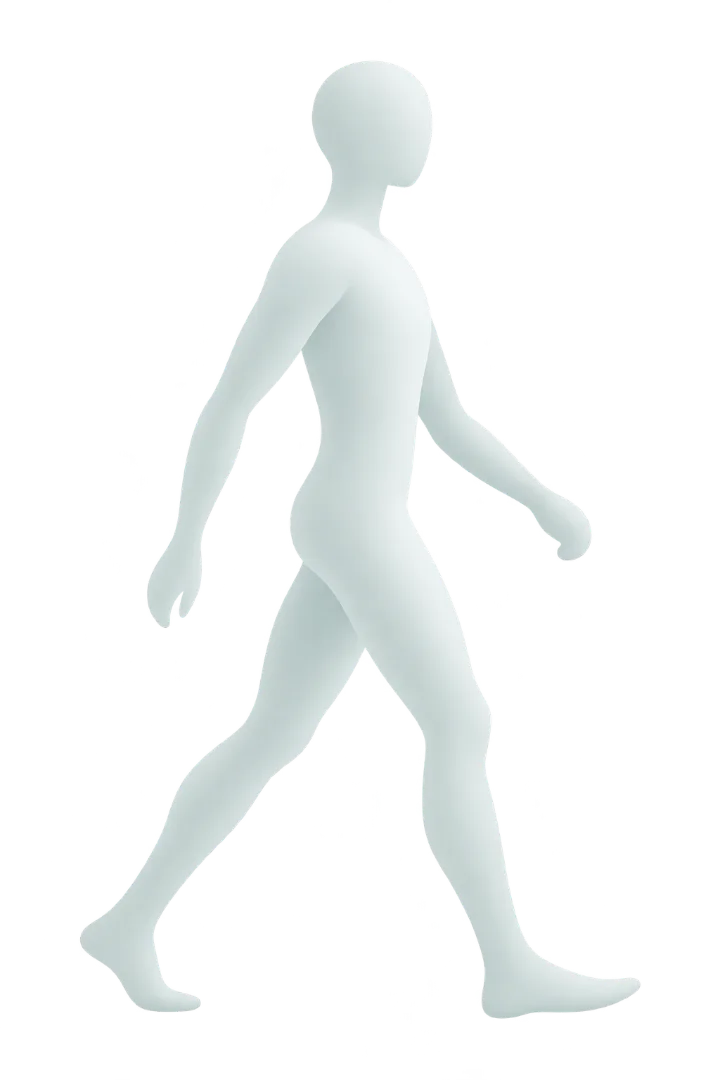
3D figure of the human body highlighting the sports injuries

01Common conditions

Common sports injuries conditions

The most frequent causes of sports injury problems, how they usually show up and the treatment options that may be considered after assessment.

01 · S·07

Ligament injuries

Injuries to the ACL and other knee ligaments, and to the ankle ligaments, are among the most common sports injuries.

Common signs

  • A pop or giving way during sport
  • Swelling within hours
  • Instability when turning or landing

Treatment options

  • Rehabilitation
  • Bracing
  • Arthroscopic reconstruction when needed
Read about Arthroscopy →

02 · S·07

Meniscus & cartilage injuries

Twisting and impact can tear the meniscus or damage the joint surface.

Common signs

  • Joint-line pain
  • Locking or catching
  • Swelling after training

Treatment options

  • Physiotherapy
  • Injections
  • Arthroscopic repair
Read about Arthroscopy →

03 · S·07

Muscle & tendon injuries

Strains, tendon overload and partial tears, often in the hamstrings, calf, Achilles or patellar tendon.

Common signs

  • Sudden pain during sprinting or jumping
  • Pain that builds with training load
  • Weakness or stiffness

Treatment options

  • Load management
  • Physiotherapy
  • PRP in selected cases
  • INDIBA-supported recovery
Read about PRP & Joint Injections →

04 · S·07

Shoulder injuries in sport

Dislocations, labral tears and rotator cuff injuries in contact and overhead sports.

Common signs

  • The shoulder slips or gives way
  • Pain with throwing or overhead movements
  • Weakness

Treatment options

  • Rehabilitation
  • Arthroscopic stabilisation or repair
Read about Arthroscopy →

05 · S·07

Return to sport

A structured plan of strength, movement and sport-specific testing helps you return safely and lowers the risk of another injury.

Common signs

  • Clear milestones before returning
  • Strength and balance testing
  • Gradual return to full training

Treatment options

  • Rehabilitation programme
  • Performance testing
  • INDIBA-supported recovery
Read about INDIBA TECAR Therapy →

02When to see a specialist

Signs it is time for an assessment

  • Pain that lasts more than a few weeks or keeps coming back
  • Swelling, locking, catching or giving way
  • Weakness, numbness or tingling
  • Pain that wakes you at night or limits daily activities
  • Pain after an injury, especially if it is hard to bear weight or use the limb

Urgent care: a severe injury, an obvious deformity, being unable to bear weight, or a hot, red, swollen joint with fever needs urgent medical attention.

03Our approach

Surgery isn’t always the first answer.

  1. 01
    UnderstandExamination, a review of your imaging and a clear explanation of what is causing the problem.
  2. 02
    Conservative careRehabilitation, activity modification and non-surgical approaches when clinically appropriate.
  3. 03
    Targeted treatmentInjections, minimally invasive options and modern techniques selected according to the diagnosis.
  4. 04
    Surgery when it helpsSurgical treatment is considered when it offers a clear and meaningful benefit for the patient.

Explore all treatments →

Next stepBook an assessment

Not sure what is causing your pain?

A clear diagnosis comes first. Send a message on WhatsApp and the team will help you choose the right clinic and time.

This page is general information to help you understand common orthopedic conditions. It does not replace a medical consultation, and your diagnosis and treatment options are always discussed individually.